
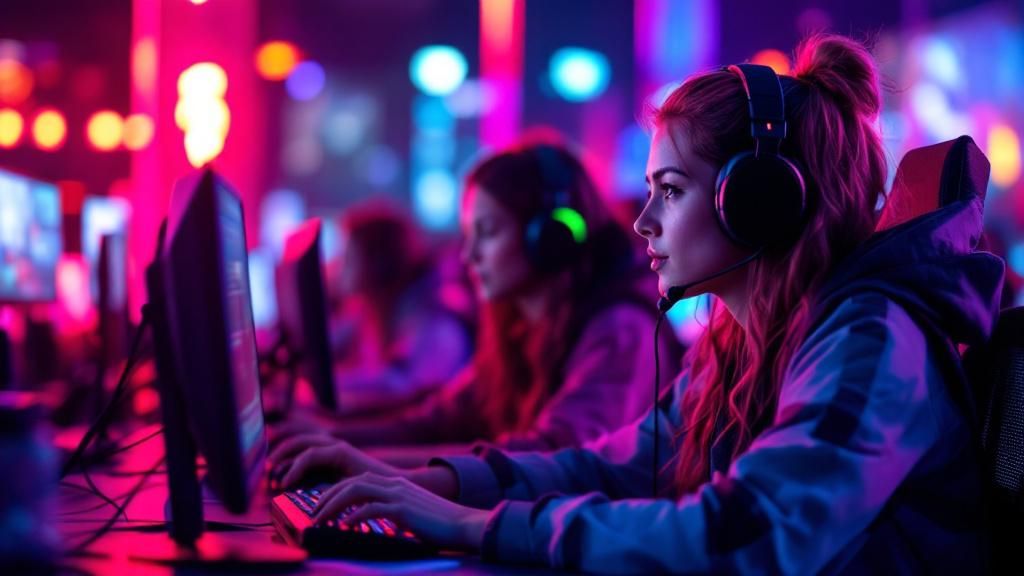
The esports landscape is experiencing a significant shift as female esports players increasingly demand equal visibility in competitive circuits worldwide. Despite making up nearly half of all gamers, women remain vastly sidelined in top-tier tournaments and commercial partnerships. This article investigates the grassroots campaign driving transformation, exploring how female players are challenging systemic obstacles, advocating for equitable frameworks, and reshaping the future of esports through persistent activism and exceptional talent.
The Present Situation Of Women Participating In Esports
Women have achieved significant progress in the esports industry during the last ten years, yet significant disparities persist in professional competitive gaming. Whilst women players constitute approximately 45% of the worldwide gaming community, their representation in top-tier esports competitions stays significantly underrepresented. Major leagues continue to feature largely male-dominated rosters, and sponsorship deals for women competitors lag considerably behind their male peers. This lack of representation goes further than competitive participation, affecting commentary roles, coaching positions, and decision-making positions within esports organisations.
The financial landscape also reveals the gender gap within competitive esports. Prize pools for women-only tournaments typically pale in comparison relative to mixed or male-dominated competitions, establishing limited incentives for aspiring female professionals. Additionally, female players often experience cultural barriers, encompassing harassment and discrimination within gaming communities. Despite these challenges, a expanding wave of determined female competitors keeps advancing boundaries, demonstrating exceptional skill and dedication. Their advocacy efforts are increasingly catalysing conversations about systemic change, motivating leagues and organisations to assess their inclusivity policies and commit to fostering a more equitable competitive gaming environment.
Challenges In Entry And Participation
Female esports players face multifaceted obstacles when attempting to establish themselves in competitive play. Beyond skill-based challenges, institutional obstacles including insufficient funding, poor visibility in hiring processes, and institutional gatekeeping present substantial obstacles. These systemic barriers adversely influence women’s progression through amateur ranks towards career advancement, whilst their male peers benefit from existing connections and greater visibility within the sector.
Funding and Sponsorship Challenges
Securing sponsorship remains considerably more difficult for female esports athletes versus their male counterparts. Brands often demonstrate reluctance to fund women’s gaming content, pointing to lower audience metrics and questionable market potential. This creates a self-perpetuating cycle whereby reduced funding restricts promotional opportunities, in turn limiting audience expansion and further discouraging potential sponsors from backing female-led initiatives or all-women teams.
Tournament operators frequently allocate markedly lower purse amounts for female tournaments, perpetuating financial disparities across the sector. This financial inequality stretches past prize purses to cover development programmes, gear sponsorships, and travel support. Consequently, female athletes frequently balance side jobs whilst building their professional careers, putting them in a significant disadvantage against fully-funded male players.
Harmful Behaviour Plus Workplace Culture
The esports environment often shows pervasive toxicity, with female players enduring harassment, discrimination, and misogynistic remarks across both online and in gaming venues. This toxic climate deters involvement and drives burnout amongst skilled competitors. Many women report experiencing direct harassment from other players, spectators, and online communities, creating an uninviting professional space that weakens their confidence and sustained performance.
Workplace culture within esports organisations often lacks adequate safeguarding policies and accountability mechanisms. Women working in esports frequently encounter discrimination in hiring practices, wage gap problems, and restricted career progression. Without robust support structures and transparent grievance procedures, organisations do not establish welcoming workplaces where women feel valued, respected, and empowered to pursue sustained careers in competitive gaming.
Schemes And Promotion Initiatives
Female esports players have established multiple groups and networks dedicated to improving female inclusion within professional esports. These player-driven campaigns have successfully lobbied prominent gaming teams and tournament organisers to implement diversity quotas and equitable recruitment standards. Notable initiatives include mentorship programmes that nurture emerging talent, learning programmes addressing gender-based discrimination, and joint projects with key organisations. Through ongoing campaigning, these organisations have secured commitments from top-tier organisations to boost women’s involvement and establish more inclusive gaming spaces for every competitor.
Social media initiatives and public awareness campaigns have elevated the voices of female competitors, producing considerable momentum for systemic change. Players leverage platforms to recount personal experiences, emphasise achievements, and contest outdated perceptions about women in gaming. Prominent tournaments now showcase dedicated women’s divisions and women-only teams competing next to conventional male-dominated brackets. These visibility campaigns have galvanised younger generations whilst simultaneously pressuring sponsors and broadcasters to fund women-focused content and events, substantially reshaping esports’ commercial environment.
Cooperation between players, organisations, and industry leaders has delivered concrete policy reforms and organisational pledges. Many leagues have established anti-harassment protocols, established inclusion boards, and directed larger financial rewards for female-focused events. Learning programmes advance inclusivity at grassroots levels, urging schools and community groups to embrace female participants. These multifaceted advocacy efforts show that substantive advancement requires sustained commitment, coordinated collaboration, and unwavering determination from all parties invested in building a truly inclusive esports environment.
